Today’s guests are asking more thoughtful questions than ever about what goes into their food—not just ingredients and sourcing, but how dishes are actually prepared behind the scenes.
One phrase that’s become increasingly common in those conversations is seed-oil-free.
But what does that actually mean?
For some diners, it’s a dietary preference. For others, it’s simply part of being more intentional about ingredients. And for many, it’s a term they’ve heard more often lately but may not fully understand.
Here’s what “seed-oil-free” actually means—and why more restaurant guests are asking about it.
What Are Seed Oils?
Seed oils are oils extracted from the seeds of certain plants and are commonly used in both packaged foods and restaurant kitchens.
Some of the most common examples include:
- soybean oil
- canola oil
- sunflower oil
- corn oil
- grapeseed oil
- safflower oil
- cottonseed oil
- rice bran oil
In restaurants, these oils have historically been widely used because they’re practical. Many offer neutral flavor profiles, high smoke points, shelf stability, and affordability—making them a common choice for high-volume kitchens.
For most guests, cooking oils are rarely on their minds because they’re often invisible in the final dish.
But that’s changing.
Why Are More Diners Asking About Them?
Today’s diners are more ingredient-aware than ever.
That shift goes beyond calorie counts or allergen questions. More people are paying attention to ingredient sourcing, food preparation methods, and what restaurants are cooking with behind the scenes.
For some, avoiding seed oils is part of a personal wellness routine. For others, it’s simply about making more intentional dining choices based on their own preferences.
In many ways, it reflects a broader shift toward transparency.
Guests increasingly want to know:
- where ingredients come from
- how dishes are prepared
- what cooking fats are being used
- whether restaurants can accommodate specific preferences
It’s less about following trends and more about making informed decisions.
What Does Seed-Oil-Free Mean at a Restaurant?
At its simplest, “seed-oil-free” generally means a restaurant chooses not to use conventional seed oils in its cooking.
Instead, alternative fats or oils may be used depending on the restaurant’s culinary philosophy.
Common alternatives include:
- avocado oil
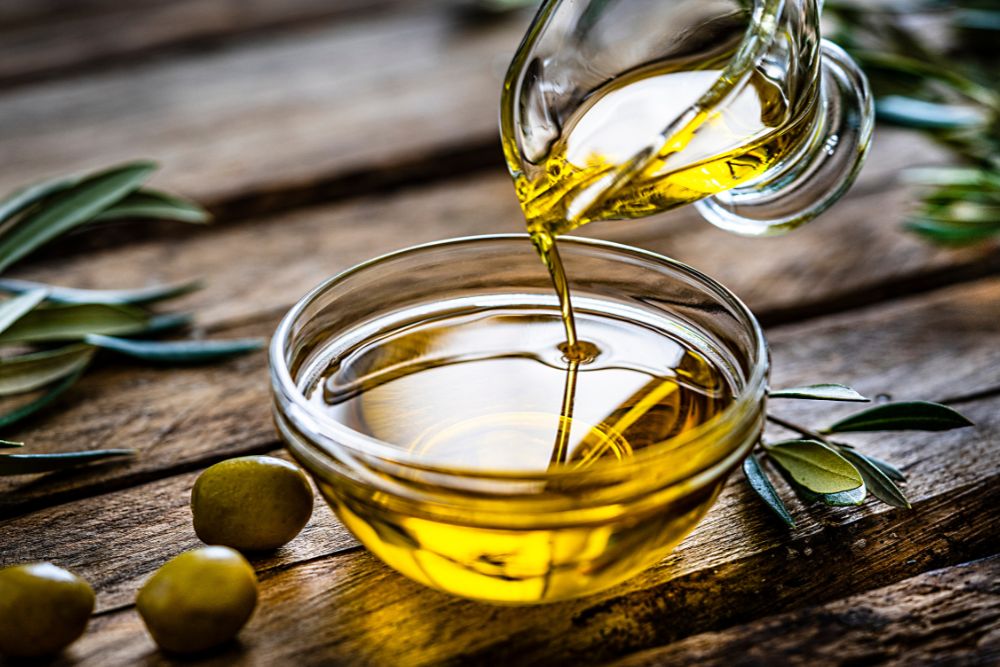
- olive oil
- butter
- ghee
- beef tallow
Because there’s no universal restaurant industry standard definition for the phrase, implementation can vary from one concept to another.
That’s why transparency matters.
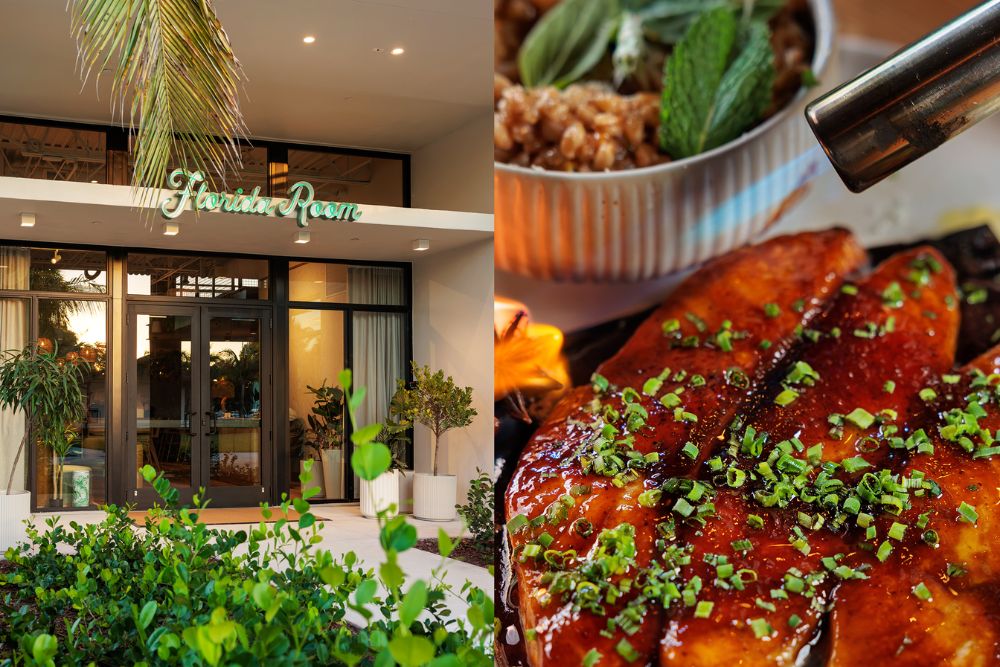
At Florida Room, our kitchen uses avocado oil and beef tallow as part of our intentional approach to ingredient choices and preparation.
For guests who care about what goes into their dining experience, that level of clarity makes a difference.
Why Ingredient Transparency Matters
The conversation around seed oils is really part of something bigger.
Today’s guests want more transparency—not just about what’s on the menu, but what happens behind the scenes.
That includes:
- sourcing
- preparation methods
- cooking fats
- dietary accommodations
- ingredient quality
Transparency builds trust.
Dining out should feel enjoyable, but also informed. When guests understand how food is prepared, they can make choices that align with their preferences and priorities.
That’s part of thoughtful hospitality.
Because great service isn’t just about what happens at the table—it’s also about giving guests confidence in the experience.
Dining Out Shouldn’t Mean Guessing
Most people know to ask about allergies or dietary restrictions.
But cooking oils? That’s something many guests wouldn’t have thought to ask about a few years ago.
And yet, these details matter to more diners than ever.
Restaurants have always made countless behind-the-scenes decisions that shape the guest experience, from ingredient sourcing to preparation methods.
The difference now is that guests are asking more questions—and expecting clearer answers.
That’s a positive shift.
Dining out shouldn’t feel like guesswork. Guests should feel comfortable asking questions and confident in the information they receive.
That level of openness creates a better dining experience for everyone.
A More Intentional Dining Experience
At its core, the growing interest in seed-oil-free dining reflects a simple truth: people care about what they’re eating.
Whether that comes from wellness goals, personal preference, or a desire for greater ingredient awareness, the underlying theme is intentionality.
And intentional dining goes beyond individual ingredients.
It’s about:
- thoughtful preparation
- transparency
- trust
- hospitality
- choosing experiences that align with what matters to you
At Florida Room, that philosophy extends from the atmosphere guests experience to the choices happening in the kitchen.
Because dining out should feel every bit as intentional as dining in.
Frequently Asked Questions (FAQ)
Is seed-oil-free healthier?
Health preferences are personal, and what feels right for one diner may not be the same for another. Many guests choose seed-oil-free options based on personal wellness goals, ingredient preferences, or dietary habits.
What oils are considered seed oils?
Common seed oils include soybean oil, canola oil, sunflower oil, corn oil, grapeseed oil, safflower oil, cottonseed oil, and rice bran oil.
Why do restaurants use seed oils?
Seed oils are often used in restaurant kitchens because they can be cost-effective, shelf-stable, neutral in flavor, and suitable for high-heat cooking.
What does seed-oil-free mean at a restaurant?
Generally, it means the restaurant uses alternative cooking fats rather than conventional seed oils. Specific practices vary by restaurant, which is why asking questions and ingredient transparency matter.
Can I ask restaurants what they cook with?
Absolutely. Guests should feel comfortable asking questions about ingredients, preparation methods, and cooking oils—especially when making dining decisions based on personal preferences.